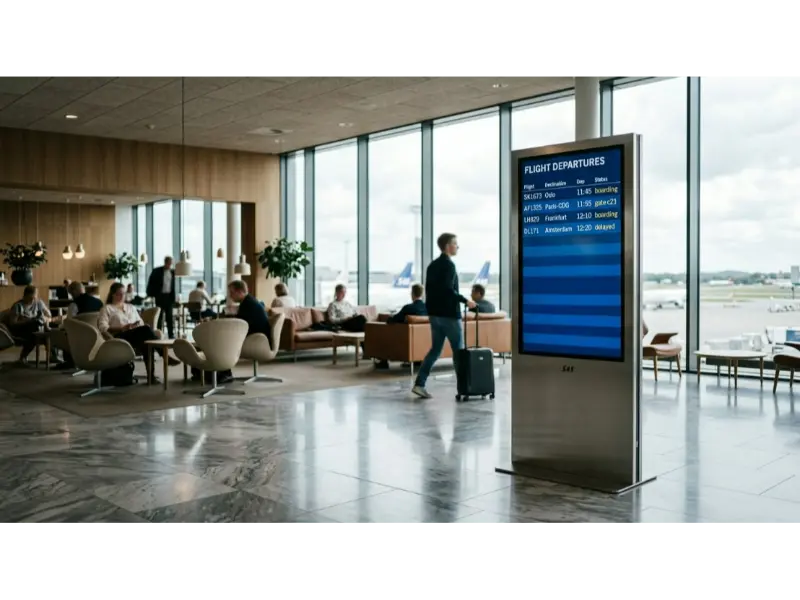
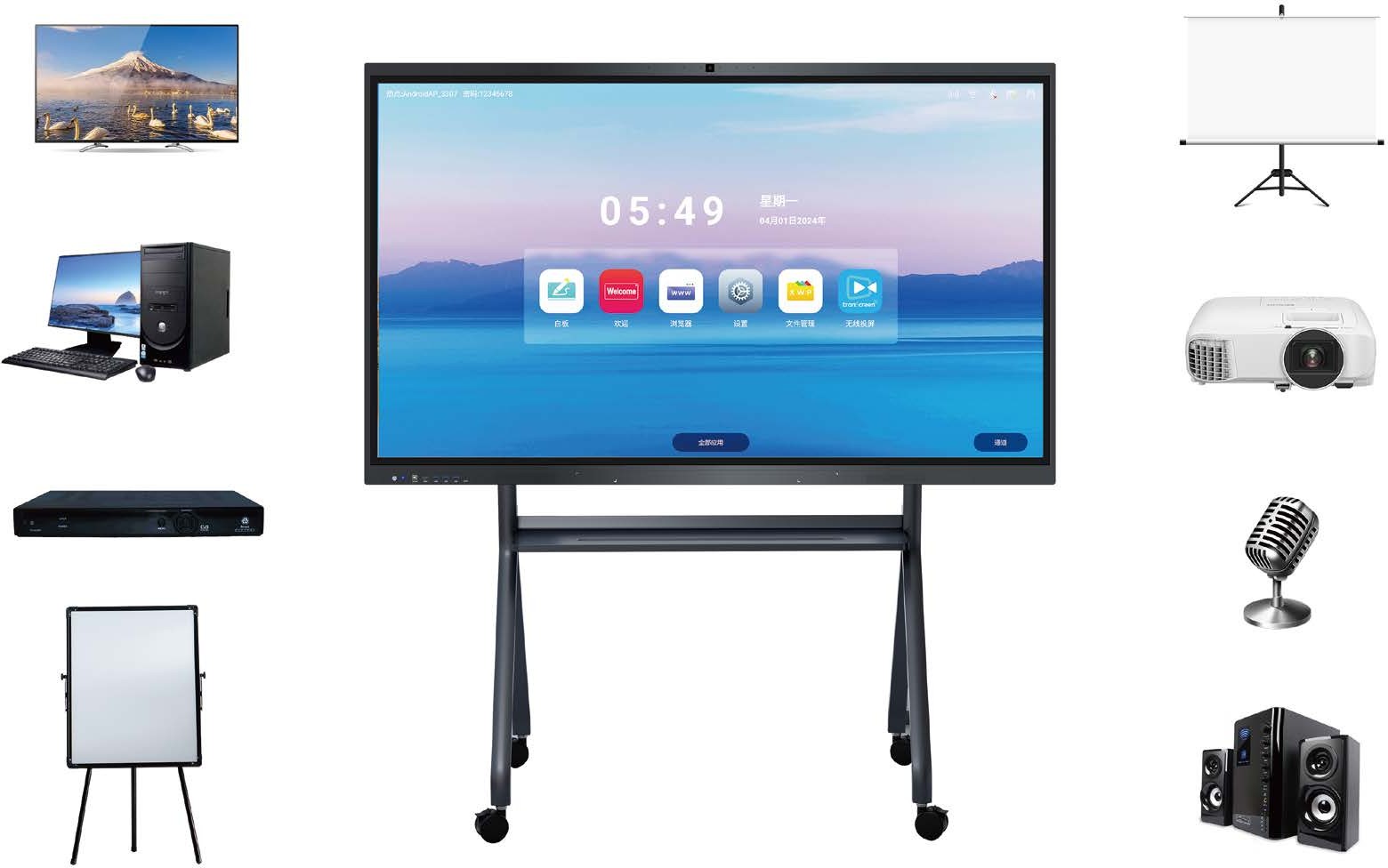
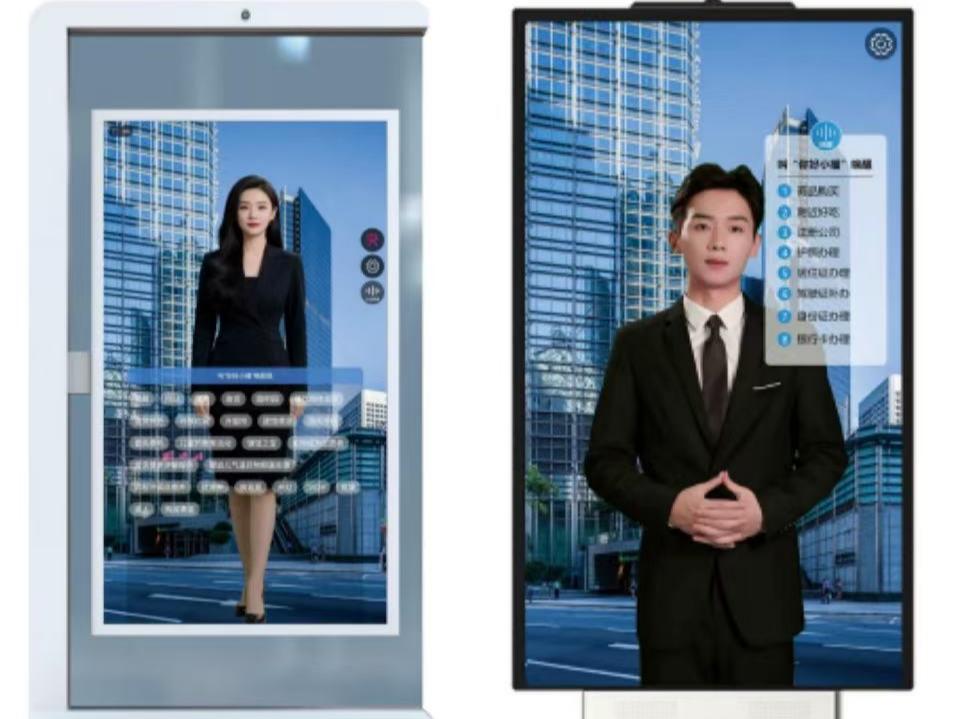
In the evolving landscape of digital communication, US-based IT administrators and facility managers are increasingly seeking versatile hardware solutions. The emergence of the Android and Windows dual system display has revolutionized how enterprises manage content, combining the app-based flexibility of Android with the robust processing power of Windows.
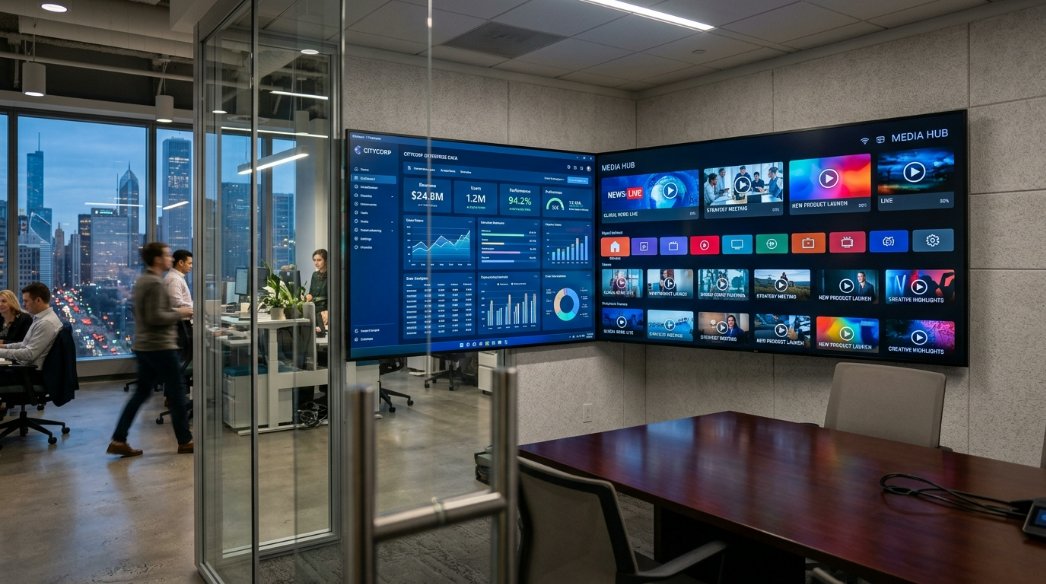
Procuring digital signage from China requires a focus on interoperability and security. Modern dual-OS displays allow for seamless transitions between ecosystems, making them ideal for corporate lobbies, educational campuses, and retail environments across the United States.
Today’s hardware utilizes high-speed internal buses that allow users to toggle between operating systems with a single touch or remote command. This is critical for businesses that use Android for simple looping media and Windows for complex interactive applications or proprietary software.
Security is the primary concern for US IT teams. Leading manufacturers now implement hardware-level isolation to ensure that a breach on the Android side does not compromise the Windows partition. Utilizing secure boot and encrypted storage helps meet the stringent data protection requirements of US enterprises.
Compatibility with popular US content management systems (CMS) like BrightSign, StratosMedia, or Scala is essential. Reliable China digital signage providers ensure their firmware supports these platforms natively, allowing for rapid deployment without custom API development.
Entering the US market requires strict adherence to federal and local regulations. Non-compliant hardware can lead to legal liabilities and installation delays.
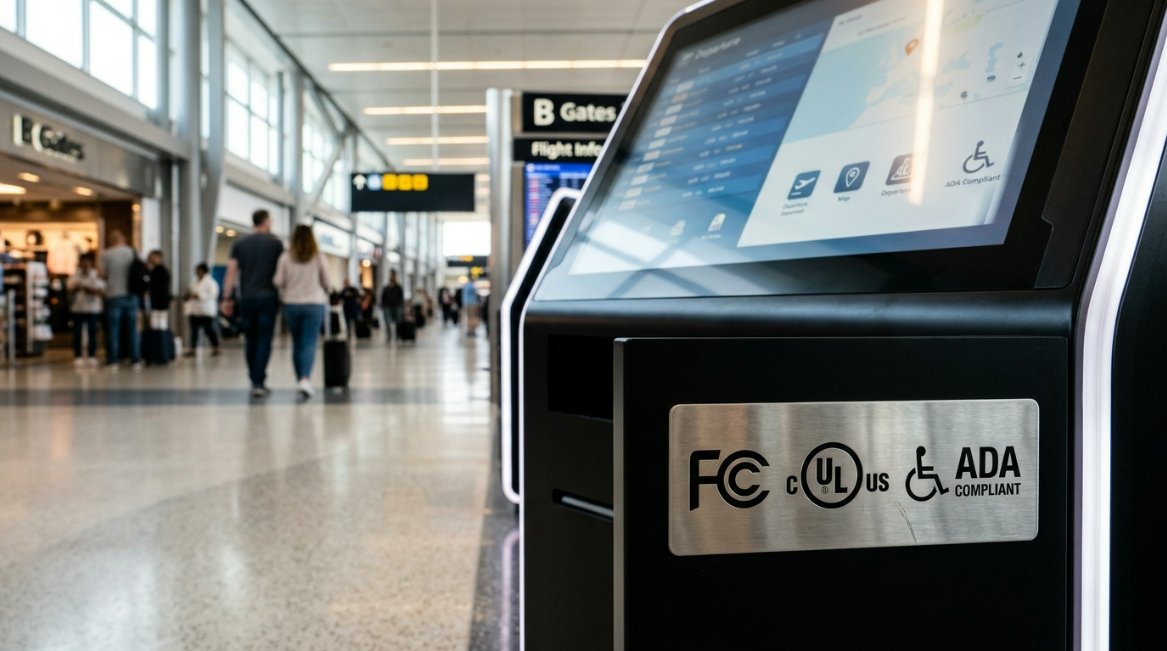
All electronic signage must meet FCC Part 15 standards to ensure they do not cause harmful interference. Furthermore, UL (Underwriters Laboratories) certification is often a prerequisite for insurance coverage in commercial buildings across the US.
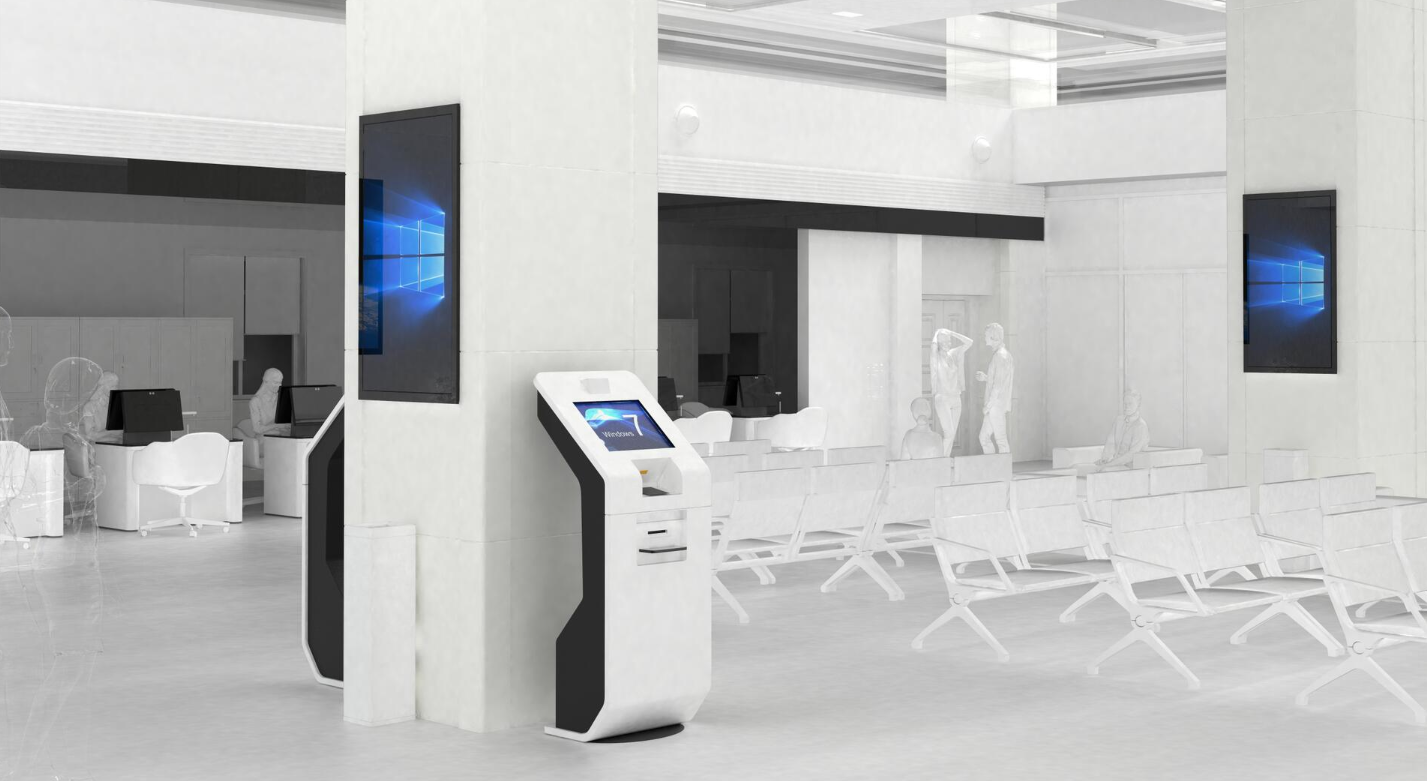
The Americans with Disabilities Act (ADA) dictates the height, reach, and interactivity of displays. For dual-OS kiosks, this means the interface must be accessible to all users, ensuring that controls are within the reach of individuals in wheelchairs.
Sustainability is a key metric for US B2B procurement. Energy Star certified displays reduce operational costs, while RoHS compliance ensures the hardware is free from hazardous materials like lead and mercury.
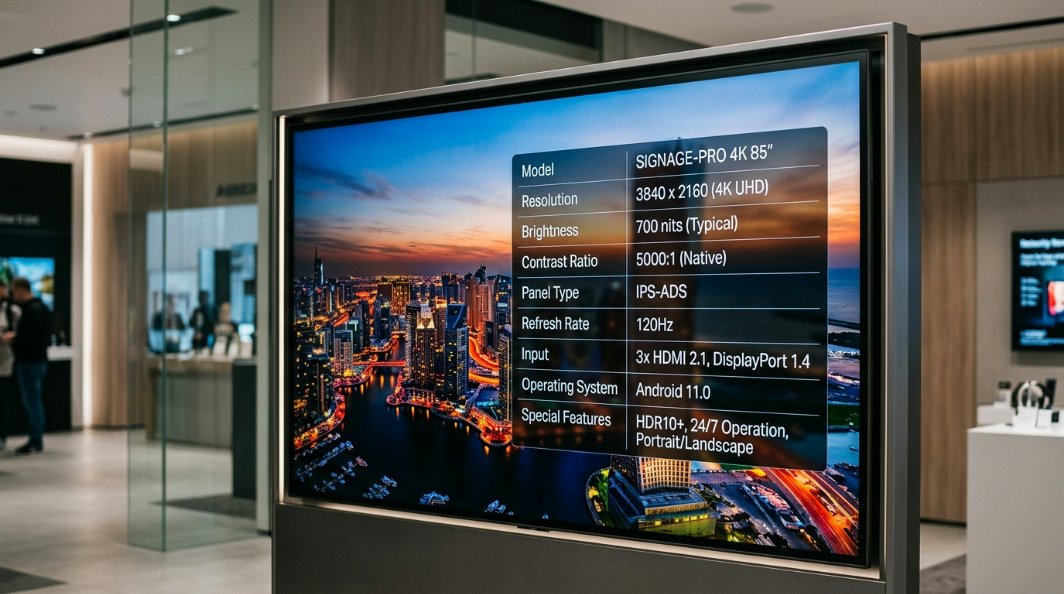
When evaluating an Android and Windows dual system display, technical specifications determine the long-term ROI.
Commercial-grade panels should offer at least 450-700 nits for indoor use and up to 2500+ nits for window-facing displays. A lifespan of 50,000 to 100,000 hours is standard for high-quality Chinese manufacturing.
Look for displays featuring HDMI 2.0, USB-C, and robust LAN/Wi-Fi modules. Mobile Device Management (MDM) compatibility allows US IT teams to manage fleets of displays remotely, pushing updates and monitoring health from a central dashboard.
Network isolation is achieved through VLAN tagging and hardware-level firewalls. IT admins can set the Android side to a guest network while keeping the Windows module on the secure corporate intranet.
Yes. Professional-grade dual-OS firmware allows administrators to disable the switching UI, locking the display into a specific OS or application to prevent unauthorized tampering by the public.
Top-tier manufacturers provide secure Over-The-Air (OTA) servers with encrypted update packages. They often collaborate with US partners to host local mirrors, ensuring fast and secure patching cycles.
Absolutely. Since the Windows module operates as a standard PC environment (usually Windows 10 or 11 Pro/IoT), you can install CrowdStrike, SentinelOne, or any other US-standard endpoint detection and response (EDR) tools.