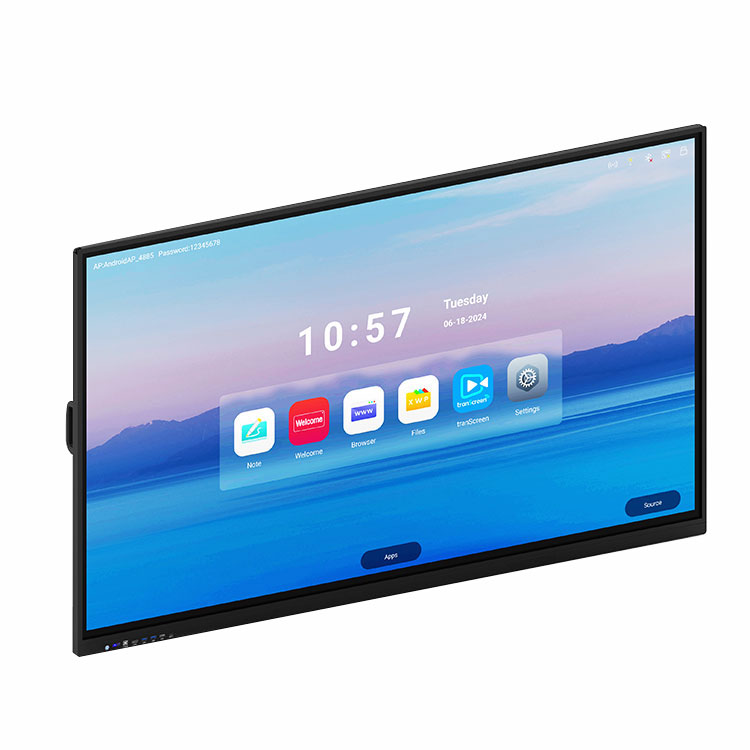
Shenzhen Cuhub Smart Touch Industrial Co., Ltd., a recognized manufacturer in smart touch and control interface technology, is presently executing a substantial manufacturing enhancement initiative. The company confirms technical development is actively progressing for a dedicated automated production system concentrating on product aging and final evaluation processes at its principal manufacturing site. This capital improvement program targets fundamental upgrades to core production infrastructure.
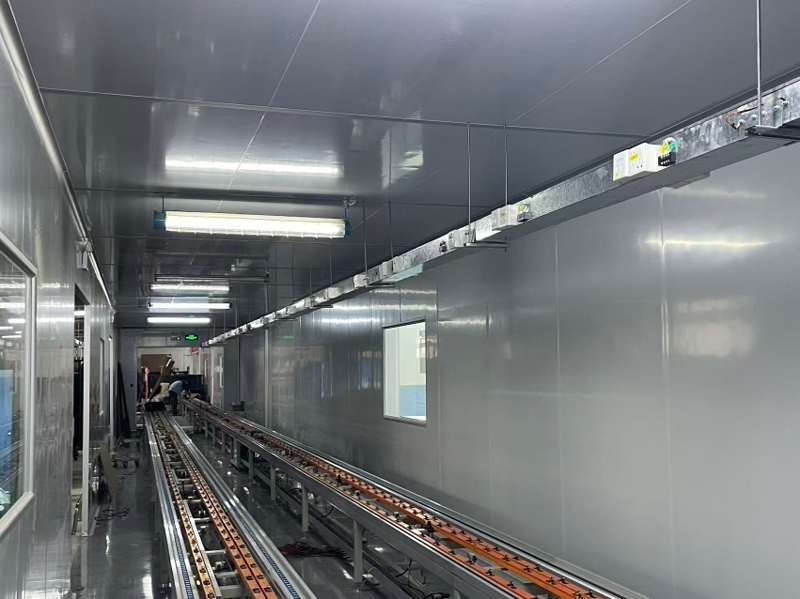
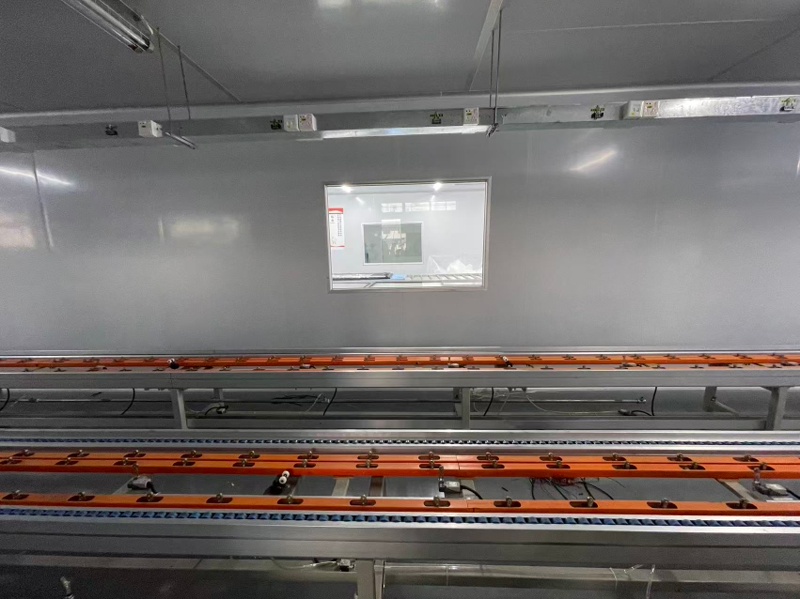
This comprehensive modernization initiative targets the complete overhaul of two essential manufacturing processes: the product aging phase and the final quality verification stage. Current approaches that rely heavily on manual supervision and intervention are undergoing fundamental reorganization to integrate significantly enhanced automation throughout these operational segments. The planned production system design creates a more unified and streamlined progression between these distinct manufacturing stages.
Within the aging division, the automated configuration will implement systematic, software-controlled transfer of products through precisely maintained environmental chambers. This engineering solution guarantees all production units undergo consistent exposure to carefully controlled aging conditions, a fundamental necessity for detecting potential early-performance irregularities and verifying long-term component resilience. The automated product transfer system markedly diminishes physical discrepancies and possible handling imperfections that can arise during manual transfer operations.
The succeeding automated evaluation division is being designed to incorporate sophisticated visual inspection technology, mechanized performance verification instruments, and exact dimensional measurement equipment. These unified systems will conduct an exhaustive series of confirmation examinations covering electrical specifications, operational functionality, and mechanical construction quality. Through implementation of automated assessment procedures, the methodology transitions from subjective visual inspection to standardized, data-informed parameters for product quality verification.
The harmonized operation of these two automated divisions is projected to yield multiple operational improvements:
Firstly, the primary detectable impact will become apparent in the general efficiency of post-assembly operations. The uninterrupted material flow inherent to the automated configuration will shorten individual unit processing intervals and compress the overall timeline between assembly completion and packaging finalization. This manufacturing upgrade facilitates increased production output potential while upholding the rigorous standards of both aging and evaluation protocols.
Secondly, Another significant outcome relates to the projected enhancement in product quality consistency and reliability. The reduced dependency on manual procedures directly correlates with fewer production-related inconsistencies and lower incidence of human-associated discrepancies. The automated evaluation apparatus delivers a degree of examination consistency and defect recognition precision that remains challenging to achieve uniformly through manual inspection methods. This development results in more reproducible manufacturing outputs and elevated initial quality approval rates.
Finally, the automation project will generate a rich stream of process data. Every unit's journey through the aging and inspection stages can be logged and analyzed. This data is critical for traceability and for conducting detailed root cause analysis in the event of any process deviations, facilitating continuous improvement efforts in both product design and manufacturing execution.
Current emphasis remains on the automated production system's ongoing development and implementation phase. The corporation has dedicated appropriate funding and spatial assets, with the physical implementation of mechanical elements and control systems advancing consistent with established project planning. Exhaustive calibration, operational testing, and certification protocols will be executed following the implementation phase preceding the system's formal incorporation into live manufacturing operations.
This capital investment exemplifies Shenzhen Cuhub Smart Touch Industrial Co., Ltd.'s systematic methodology toward achieving manufacturing distinction. Through deliberate automation implementation at crucial production control junctures, the organization reinforces its core capability to deliver uniform, high-caliber products to its global customer base.