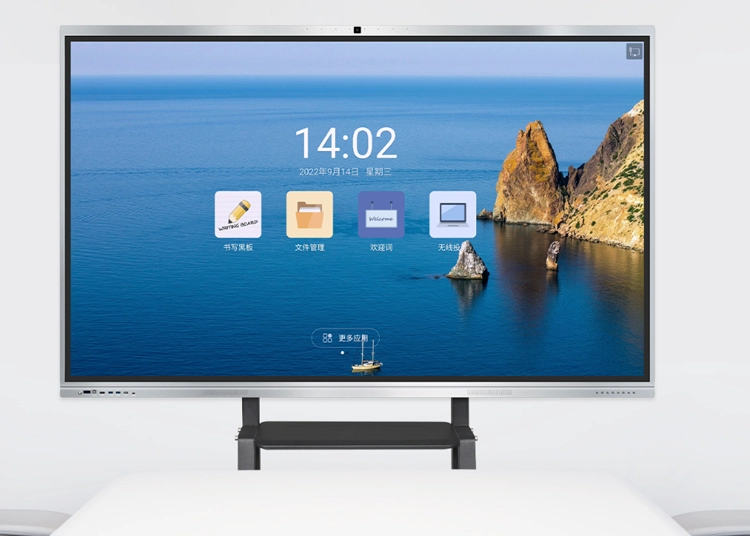
Infrared Touch Display technology is becoming a leading choice for interactive screens due to its versatility and performance. In this blog, Shenzhen Cuhub Smart Touch Industrial Co., Ltd. explains key questions, benefits, disadvantages, applications, and best practices.

This comprehensive blog explores the essence of Infrared Touch Display systems, including what they are, how they work, their key advantages and disadvantages, where they are commonly used, and how they compare with other touch technologies. With clear headings, FAQs, and practical insights, this article helps readers understand the value of infrared touch solutions.
An Infrared Touch Display is a screen that uses infrared light beams arranged in a grid across the display surface. When an object interrupts these beams, the touch is detected and translated into an input signal. Unlike capacitive or resistive touch screens, infrared screens do not rely on pressure or electrical conductivity, making them highly responsive and durable.
Infrared touch systems consist of a frame with infrared LEDs and photodetectors positioned around the edges. These create an invisible grid of light across the screen surface. When a finger or stylus breaks one or more light beams, the system calculates the position of the touch.
| Feature | Advantage |
|---|---|
| Durability | Infrared screens resist scratches and environmental wear since there's no physical overlay required. |
| High Responsiveness | Multi-touch and gesture support is fast and accurate at various touch points. |
| Compatibility | Works with fingers, gloves, stylus, and other objects for flexible usage. |
| Visibility | No layers reduce brightness loss, improving clarity and display quality. |
| Size Scalability | Infrared solutions work well for large screens like interactive whiteboards. |
Shenzhen Cuhub Smart Touch Industrial Co., Ltd. often integrates these benefits into commercial and educational display systems to ensure a premium user experience.
Infrared touch displays serve a variety of industries and environments, such as:
Shenzhen Cuhub Smart Touch Industrial Co., Ltd. has delivered customized infrared interactive panels for multiple sectors, ensuring stability and performance.
Consider the following when selecting an infrared display:
What makes an infrared touch display different from other touch screens?
An infrared touch display uses invisible light beams instead of pressure or electrical changes, yielding high durability and flexibility with different touch instruments.
Can infrared touch screens work outdoors?
Yes — but effective outdoor use requires sealed housings and anti-glare features to reduce interference from sunlight. Suitable industrial-grade versions are available.
Are infrared displays compatible with multi-touch?
Most modern infrared systems support multi-touch (up to 10 or more points), allowing gesture controls and simultaneous inputs from multiple users.
How reliable is the infrared touch technology?
When properly calibrated and protected, infrared touch displays provide precise and long-lasting responsiveness for high-traffic usage.
Can users write or draw on an infrared touch display?
Yes — with compatible stylus or finger input, this technology supports writing/drawing, making it ideal for presentations and creative applications.
What maintenance does an infrared touch screen require?
Minimal maintenance is required. Occasional cleaning of the screen surface and sensor frame prevents dust buildup without affecting system performance.
Infrared Touch Display systems offer a powerful combination of responsiveness, durability, and usability across many applications. When understanding their advantages and limitations, you can better match solutions to your needs. If you seek reliable, high-performance infrared interactive displays, Shenzhen Cuhub Smart Touch Industrial Co., Ltd. stands ready to assist with tailored products and technical guidance.
Ready to upgrade to next‑generation interactive displays? Contact us today to get personalized support and product recommendations!