Imagine a pedestrian plaza at noon in mid-July. The sun sits directly overhead, ambient temperatures push 95°F, and a standard commercial display has already blacked out from thermal failure. A media buyer's high-value video ad plays to a dead screen. The failure isn't just a hardware glitch; it represents lost ad revenue, a wasted capital expense, and an immediate truck roll for the maintenance team. This is the reality of digital out-of-home (DOOH) networks. To survive on the street, hardware must be engineered for extreme environmental conditions from day one.
For years, network operators attempted to retrofit indoor display technology for outdoor use. They built custom enclosures, added aftermarket fans, and mounted screens to existing brick walls. The results were predictably poor. High failure rates and limited placement options restricted network growth. Wall space is finite. It also requires negotiating complex lease agreements with private property owners.
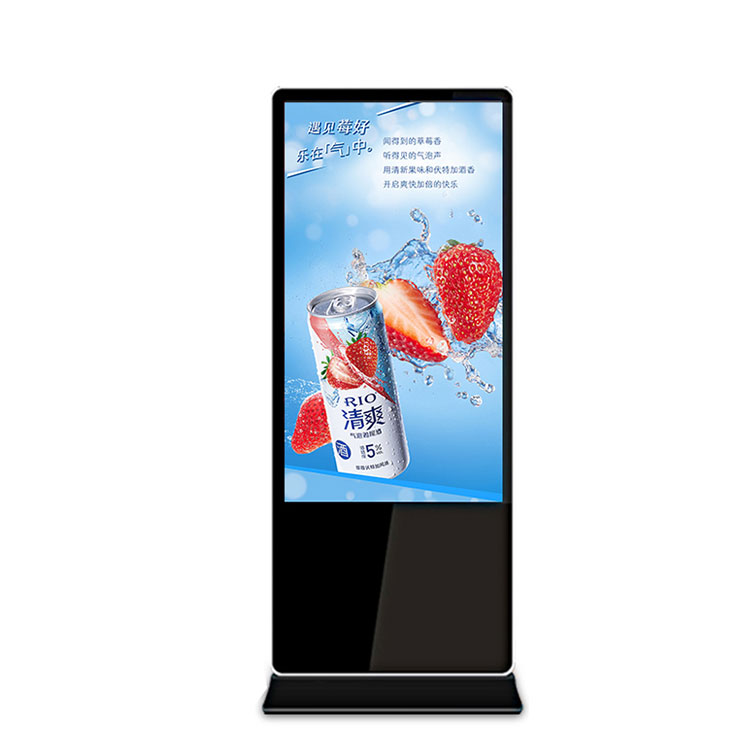
The industry has shifted decisively toward purpose-built hardware. Freestanding units can be deployed exactly where pedestrian density peaks: transit islands, public rights-of-way, and the center of commercial plazas. Because they do not rely on existing architecture for support, these units create a standardized, predictable media network.
This placement advantage changes the viewing dynamic. Pedestrians walk past a wall-mounted screen. They walk directly toward a freestanding kiosk. Securing this direct line of sight requires heavy iron, dedicated power drops, and municipal permitting, but the resulting impression rates justify the infrastructure costs.
Media operators monetize attention. To capture and hold that attention in a busy urban environment, static paper posters no longer suffice. Advertisers demand high clear dynamic content. They want to deploy high-definition video, directional audio, scrolling text, and real-time social media feeds. A digital screen captures significantly more dwell time than a printed graphic, allowing operators to charge premium rates for ad placements.
The transition from paper to pixels also eliminates printing and physical installation costs. A single outdoor vertical advertising machine can rotate through a dozen different advertisers in a matter of minutes, multiplying the yield of a single square foot of sidewalk space.
Maximizing screen real estate requires advanced playback software. Modern network operators rely on smart split-screen functionality to serve multiple masters simultaneously.
Securing permits for digital displays often requires providing a public benefit. Split-screen layouts solve this by dedicating the bottom third of the display to interactive local maps, real-time transit data, or emergency broadcasts, while the top two-thirds run programmatic video ads. This hybrid approach accelerates municipal approvals. Backed by AI-driven scheduling, the media player can dynamically shift content based on environmental triggers. Coffee promotions run during the morning commute; restaurant ads take over at dusk. Weather data can trigger umbrella ads the moment barometric pressure drops.
Indoor televisions typically output 300 to 400 nits of brightness. Place one outside, and the ambient sunlight washes out the image entirely. Competing with direct solar glare requires raw optical power.
Shenzhen Cuhub Smart Touch Industrial Co., Ltd., a manufacturer established in 2019, engineers their displays to output between 1000 and 3500 nits. This wide specification range exists because brightness requirements depend entirely on the deployment site. A unit placed under a deep transit shelter awning may perform perfectly at 1500 nits. A unit facing due south with zero shade requires the full 3500 nits to remain legible at midday.
Specifying maximum brightness carries immediate trade-offs. Driving LEDs to 3500 nits consumes massive amounts of electricity and accelerates backlight degradation if run continuously. To manage this, hardware must incorporate ambient light sensors. These sensors automatically throttle the backlight down as evening approaches, saving power, extending panel life, and preventing the screen from blinding drivers at night.
High brightness generates intense internal heat. When you combine the thermal output of a 3500-nit LED backlight with direct solar loading—where the sun blasts roughly 1000 watts of energy per square meter onto the dark glass—the internal temperature of the enclosure spikes rapidly.
If the liquid crystal fluid inside the panel exceeds its maximum operating temperature (often around 105°C to 110°C), it loses its structural properties. The result is isotropic blackout: massive black blotches appear on the screen, rendering the display useless.
Preventing this failure mode dictates the internal engineering of the kiosk. Cheap units simply pack bright LEDs into a sealed metal box. Professional-grade hardware utilizes active thermal management. This involves internal heat exchangers, heavy-duty centrifugal fans, and sometimes active HVAC systems that continuously circulate filtered air across the face of the LCD panel, actively stripping heat away from the glass before isotropic failure occurs.
Water and dust are predictable enemies. An IP65 rating guarantees the enclosure is completely dust-tight and protected against low-pressure water jets from any direction. Rain, snowmelt, and municipal street sweepers will not breach the internal electronics. But environmental hazards are secondary to the primary threat in public spaces: human intervention.
Unattended kiosks attract vandalism. Protecting expensive LCD panels and media players requires industrial-grade materials. Cuhub constructs their enclosures using galvanized steel and AR (Anti-Reflective) tempered glass.
Galvanized steel provides exceptional physical security and anti-theft protection. Unlike standard cold-rolled steel, the galvanization process prevents rust from destroying the enclosure even if a vandal scratches deeply through the outer powder coating with a key or a bicycle pedal. The trade-off is weight. A double-sided, 65-inch galvanized steel kiosk can easily exceed 350 pounds. This requires engineered concrete footings and deep anchor bolts during installation, a reality network operators must factor into their deployment budgets.
The screen face is equally critical. Standard glass acts like a mirror in daylight, destroying the display's contrast ratio. AR glass is chemically treated to minimize surface reflections, ensuring the high-nit display cuts through the glare. More importantly, it acts as a sacrificial impact barrier. Tempered to withstand blunt force, the AR glass absorbs strikes from thrown bottles or skateboards, shattering safely without allowing the impact to reach the fragile LCD matrix behind it.
Updating content on a single screen via a USB drive is simple. Managing a network of 200 screens across three time zones is a logistical nightmare without proper infrastructure. Scaling a DOOH network requires cloud backend management software.
Pushing new video and audio files is only the baseline function of these platforms. The true operational value lies in hardware telemetry. Before sending a technician in a bucket truck to diagnose a dark screen, network operators use the remote cloud portal to ping the freestanding outdoor advertising display. They can check the current internal temperature, verify the RPM of the cooling fans, and confirm whether the media player is receiving power.
If a software update freezes the media player, the cloud management system allows an operator to execute a hard power cycle remotely. Resolving a frozen screen from a laptop saves a $300 maintenance visit and brings the unit back online in minutes rather than days.
Buying off-the-shelf hardware rarely satisfies the demands of large-scale American deployments. Municipalities often mandate specific RAL paint colors to match existing city street furniture. Network operators may require particular cellular modems certified for AT&T or Verizon networks, or the physical integration of security cameras and NFC readers into the kiosk chassis.
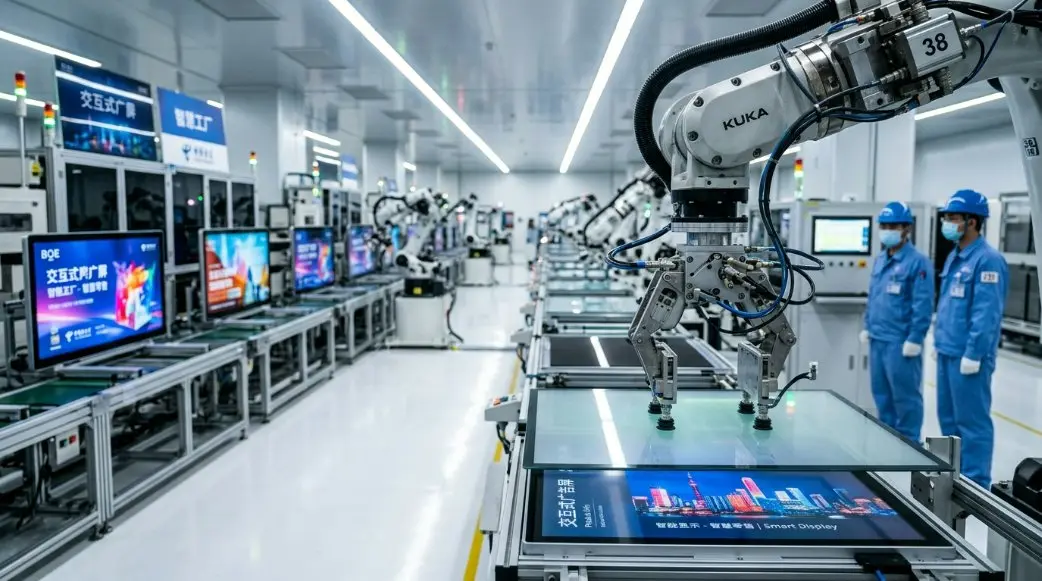
Working with a manufacturer that provides OEM/ODM services allows buyers to customize the hardware at the factory level. This prevents the messy, unreliable process of modifying sealed enclosures in a domestic warehouse.
Furthermore, US deployments face strict regulatory compliance. Unshielded electronics can emit radio frequencies that interfere with municipal emergency bands. Sourcing hardware that holds standard industry certifications—specifically FCC compliance for the US market, alongside CE and RoHS—is non-negotiable for securing city permits and passing electrical inspections.
Evaluate your exact deployment site before finalizing a spec sheet. Measure the ambient light to determine if a 1500-nit panel will suffice or if full 3500-nit performance is required. Assess the local vandalism risk to specify the appropriate AR glass thickness. Partnering with a manufacturer capable of adapting the galvanized housing, internal cooling, and media hardware to your specific environment ensures your commercial outdoor vertical display generates predictable revenue for its full expected lifespan, rather than becoming an immediate maintenance liability.