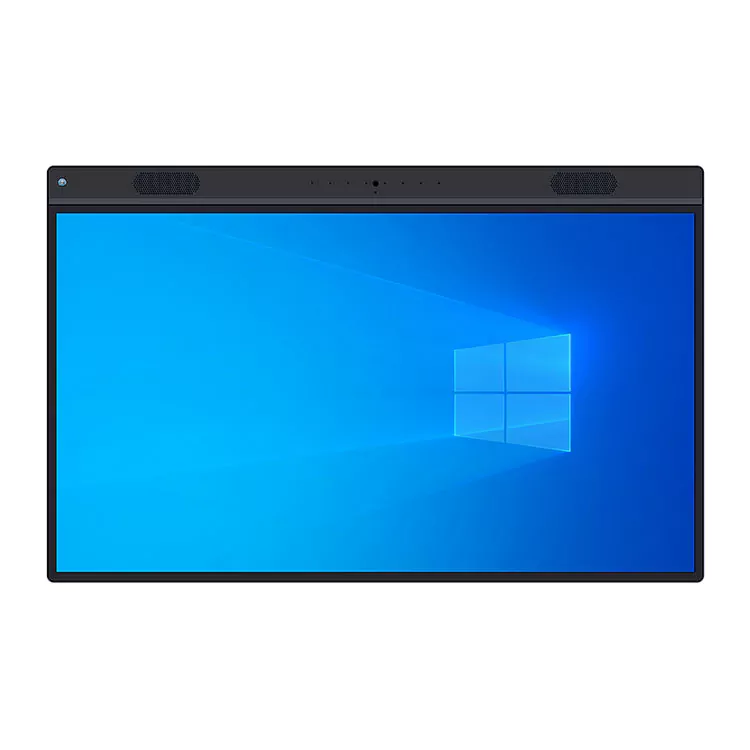
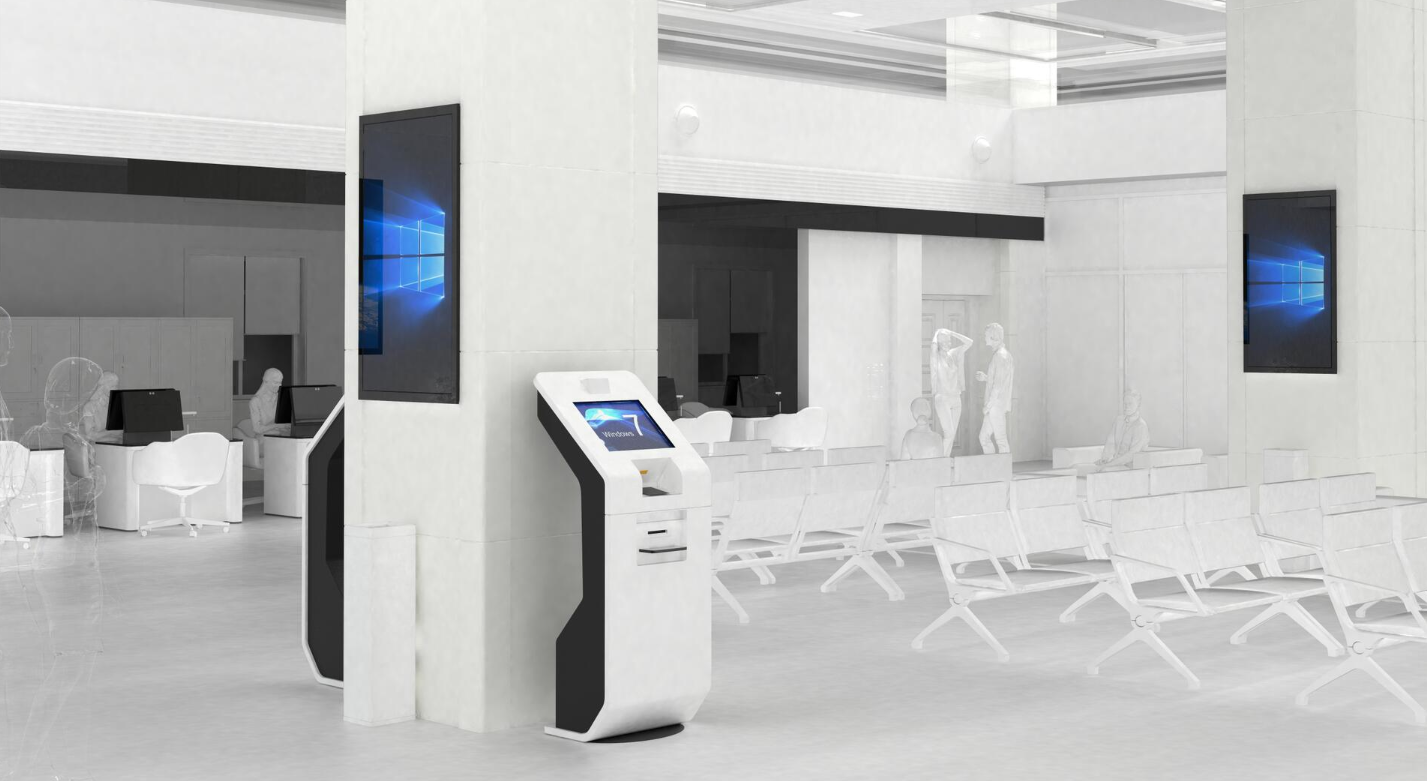
An elevator advertising solution is a managed system that delivers paid, property, or public-information content to displays inside elevator cabs, near landings, or in adjacent lobby areas. The screen is only the visible part. A working solution also needs media players, content management software, connectivity, installation, monitoring, maintenance, campaign operations, and an agreement defining who pays, who controls the inventory, and who receives advertising revenue.
That broader definition matters. Buyers who compare screens alone often discover later that they haven’t budgeted for mounting approval, content production, network access, device support, or proof-of-play reporting.

An Elevator Advertising Solution Connects Displays, Content Software, Operations, and a Commercial Model
A complete system has four layers. The display layer includes the screen, media player, mounting hardware, power connection, and any enclosure required for the site. The software layer schedules content by building, screen, date, and time. The operating layer covers installation coordination, campaign trafficking, device monitoring, repairs, and content review. The commercial layer determines equipment ownership, software fees, advertising rights, and revenue sharing.
These layers may come from one provider or several vendors. Either arrangement can work, but responsibility must be explicit. If a screen goes dark, the property team shouldn’t have to guess whether the display manufacturer, network provider, software vendor, or media operator owns the service ticket. A useful review of elevator advertising solutions should therefore go beyond panel appearance and explain how the full operating chain is handled.
Placement and Operating Model Determine What the Solution Must Do
Location defines viewing behavior; the operating model defines control and financial risk. Those two decisions should come before hardware selection.
In-Car Screens, Landing Displays, and Lobby Signage Reach People at Different Moments
In-car screens address a temporarily captive audience, but viewing time depends on trip length, crowding, screen position, and whether passengers naturally face the display. Landing screens reach people while they wait, making elevator status, property notices, and short advertising messages a natural content mix. Lobby signage can use larger formats and longer creative, yet it competes with reception desks, directories, architecture, and foot traffic.
Don’t treat lobby digital signage and elevator advertising as interchangeable inventory. A campaign designed for a large lobby screen may become unreadable inside a cab. Text size, message length, orientation, sound policy, glare, and viewing distance all need to match the placement.
Property-Owned, Media-Network, and Hybrid Models Divide Control, Costs, and Revenue Differently
In a property-owned model, the building buys or leases the equipment and usually retains close control over content. It may sell advertising directly or use the system mainly for tenant communication. This offers control but leaves the owner responsible for operations and maintenance.
A media-network operator may provide some or all equipment and sell the advertising inventory under a term agreement. The property may receive fixed compensation, a revenue share, or another negotiated benefit. That can reduce upfront spending, but the contract may limit content control, exclusivity, relocation, and early termination.
Hybrid arrangements reserve part of the schedule for building messages and part for paid media. Programmatic elevator advertising can automate the sale or delivery of eligible campaigns, but it doesn’t remove the need for brand-safety rules, category exclusions, campaign approval, and accurate screen records.
How Content Moves from Campaign Planning to Screen Playback
Content normally starts in a campaign plan that identifies approved buildings, screen groups, dates, time periods, and creative files. An elevator advertising content management system then distributes those files to media players assigned to the relevant displays. The player stores content locally, follows its schedule, and records playback events. Local storage matters because a temporary network interruption shouldn’t automatically leave a blank screen.
Operators use device-status data to identify offline players, failed downloads, storage problems, or screens that have stopped reporting. Proof-of-play logs can show that a file was scheduled and reported as played, although buyers should ask exactly what the report proves. A player log isn’t necessarily confirmation that the panel was visible, powered, unobstructed, and producing a normal image.
Before comparing elevator advertising display system options, ask how content is approved, cached, updated, monitored, and removed after a campaign ends.
The Right Use Case Depends on the Building, Audience, and Viewing Environment
Apartment buildings often need a careful balance between advertising and resident communication. Repetitive creative, loud audio, or poorly matched offers can generate complaints because residents see the same screens every day. Property notices, local services, package reminders, and community information may need protected schedule space.
Office buildings present a different pattern. Audiences change by weekday and time of day, and advertisers may value business role, building type, or district more than raw traffic. Access-controlled offices can also complicate installation and service visits.
Hotels, medical properties, and mixed-use developments introduce further requirements around guest expectations, sensitive content categories, multilingual communication, and distinct audiences within one site. Buyers should evaluate each building type separately rather than applying one media plan across an entire portfolio.
Evaluate Provider Evidence, Not Just the Advertising Display
A bright demonstration screen can distract from the questions that determine long-term performance. Ask providers for evidence from comparable properties: installation photographs, service procedures, device-health reports, sample proof-of-play records, content approval workflows, and clear escalation contacts.
Installation planning deserves particular scrutiny. Elevator cab work may require coordination with the elevator service company, property management, electrical trades, security staff, and local authorities. Mounting must not interfere with controls, required signage, accessibility, door operation, cleaning, or inspection access. Avoid any provider that gives a firm installation promise before reviewing the cab construction, available power, network conditions, building rules, and approval path.
Commercial comparisons should include hardware, software, connectivity, creative production, installation, maintenance, replacements, permits or approvals, revenue share, and removal at the end of the agreement. Headline elevator advertising cost tells you little if those items are excluded.
Privacy-Safe Measurement Can Support Campaign Evaluation Without Personal Identification
Measurement should be proportional to the campaign. Building traffic data, screen uptime, proof-of-play records, QR responses, offer redemptions, surveys, or aggregated campaign studies may provide useful evidence without identifying individual riders.
If sensors or audience-estimation tools are proposed, ask what data they capture, whether images are stored, where processing occurs, how long records are retained, and who can access them. Providers should also explain consent, notice, and compliance responsibilities. “Anonymous” is not a sufficient technical description. Good measurement starts with a defined campaign objective and uses the least intrusive data needed to assess it.
Questions to Settle Before Requesting an Elevator Advertising Proposal
A useful proposal depends on a useful site brief. Resolve internal ownership and building constraints before asking vendors to price the project.
What Site, Installation, Content, Maintenance, Measurement, and Cost Information Should Buyers Provide?
Provide the property address and type, number of elevators, proposed display locations, representative photographs, cab and wall conditions, available power, connectivity restrictions, operating hours, audience profile, and the parties authorized to approve installation. Identify required property messages, prohibited advertising categories, accessibility concerns, audio restrictions, and desired campaign start dates.
State who will create and approve content, how quickly emergency notices must be published, and who needs access to reporting. Define the measurement outcome you actually need rather than requesting every available metric.
Finally, ask for itemized pricing, equipment ownership terms, warranty and maintenance responsibilities, expected response procedures, advertising rights, revenue terms, contract length, renewal language, and end-of-term removal obligations. Cuhub’s elevator advertising overview can help frame the category, but your next step should be a building-specific requirements sheet. That document gives providers the same facts and makes their proposals meaningfully comparable.