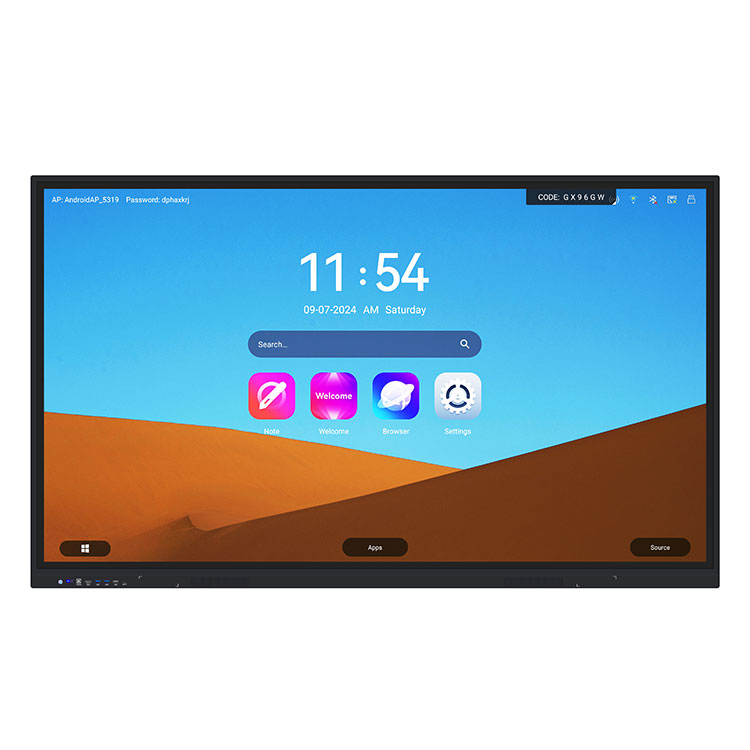
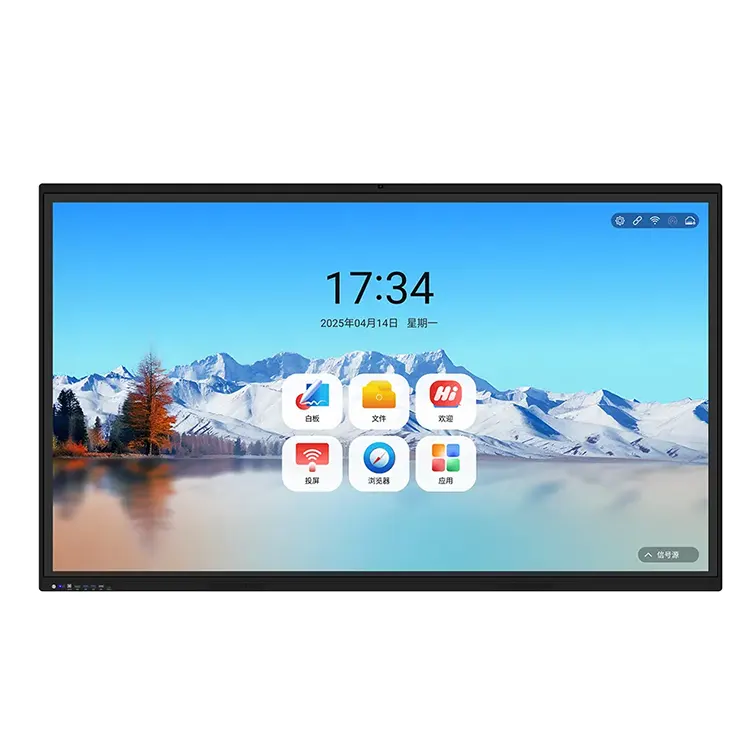
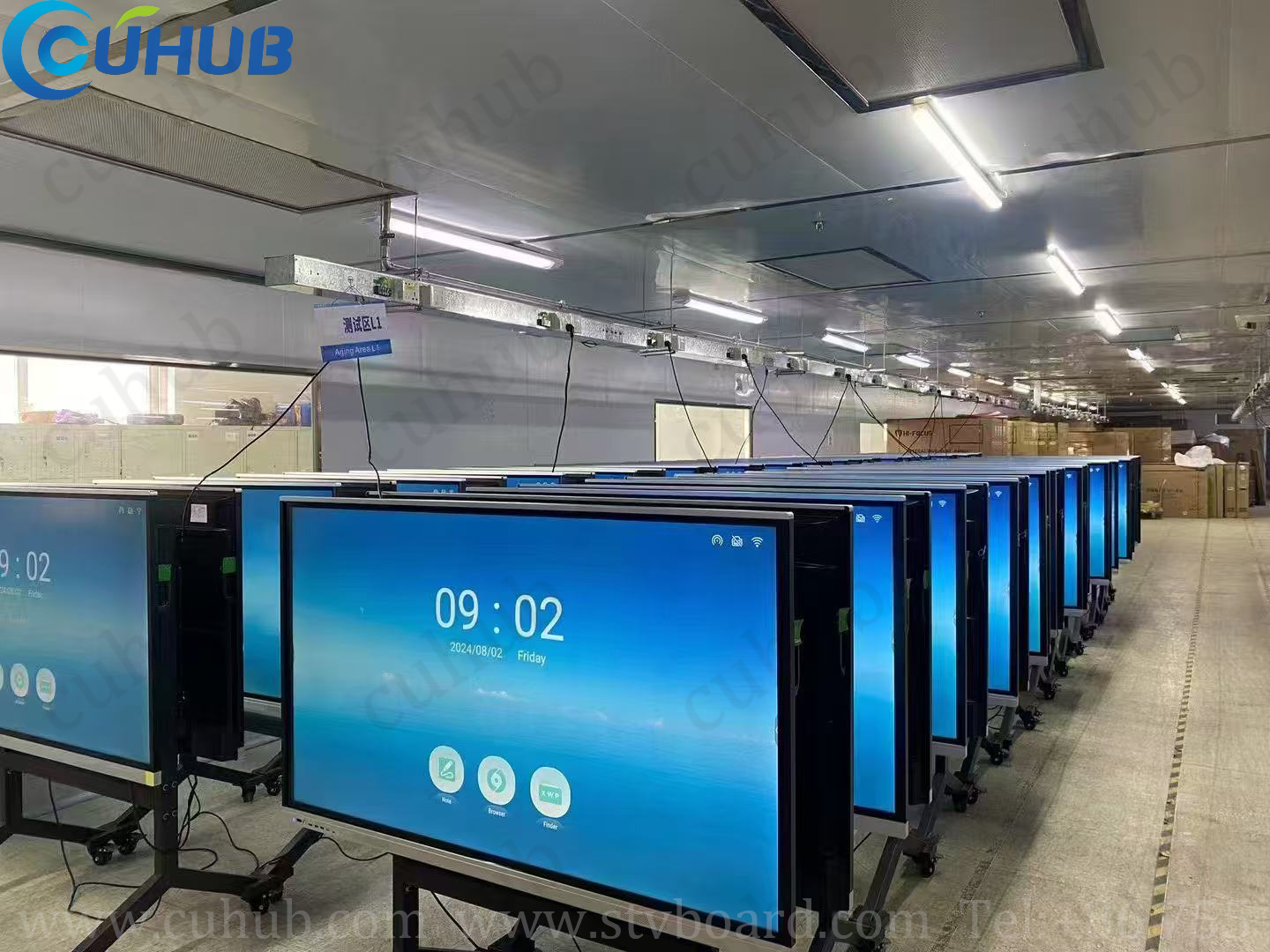
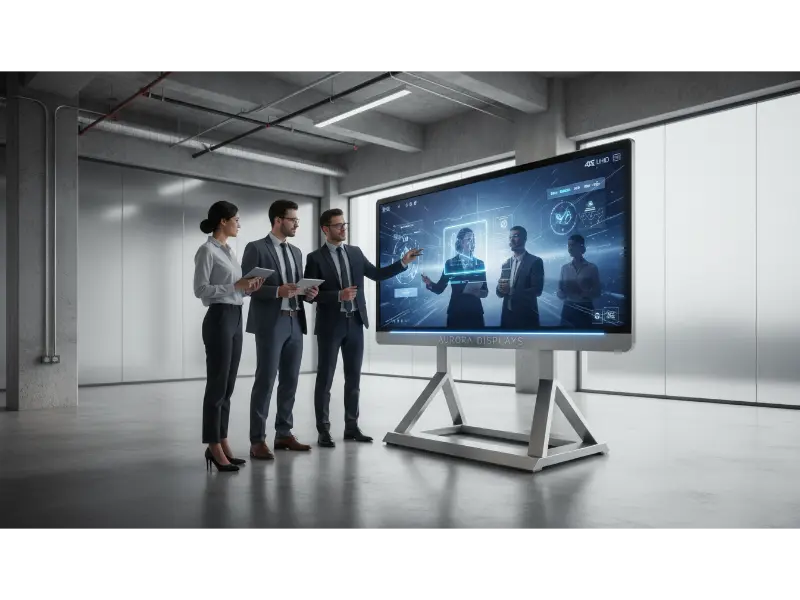
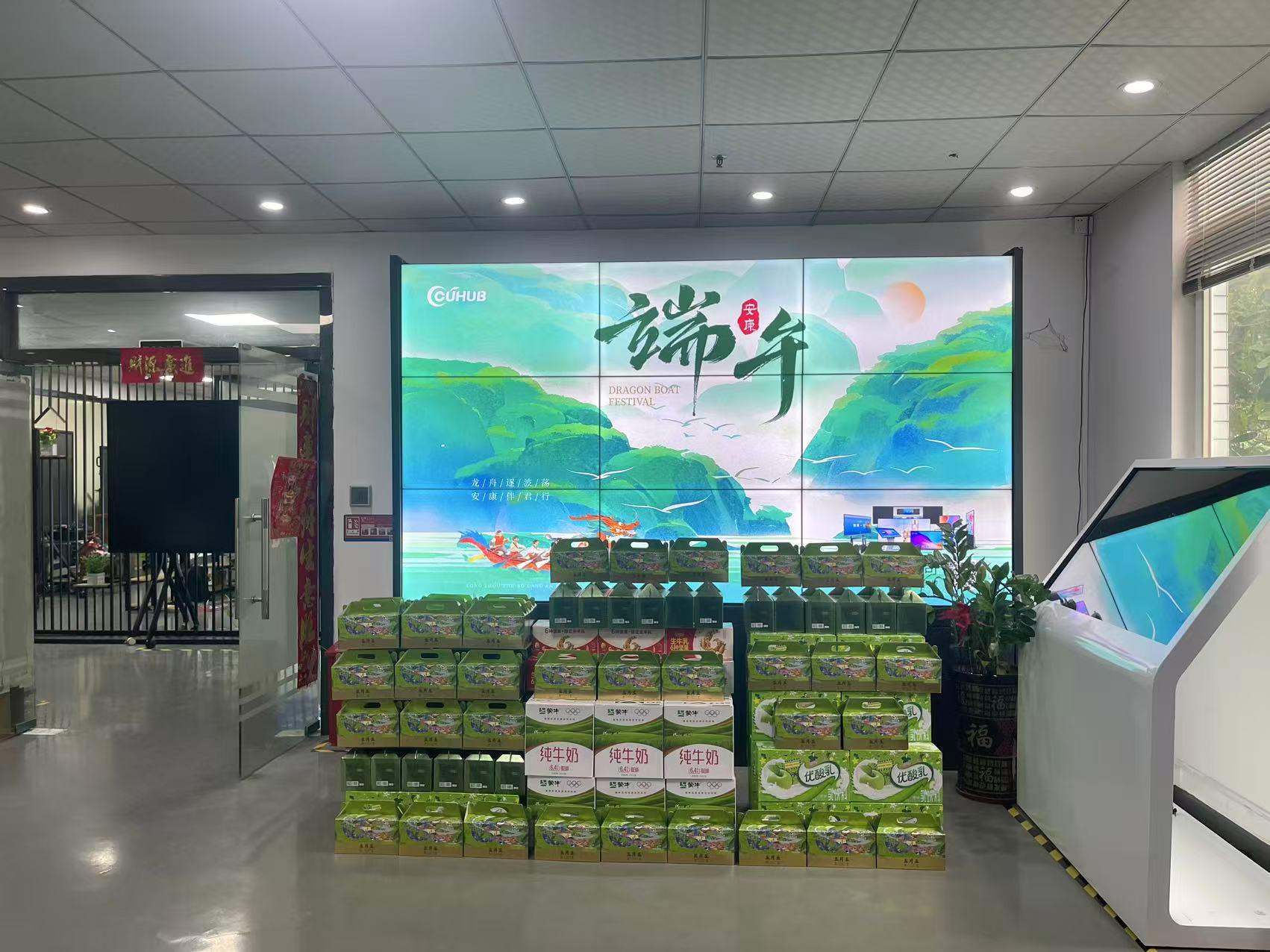
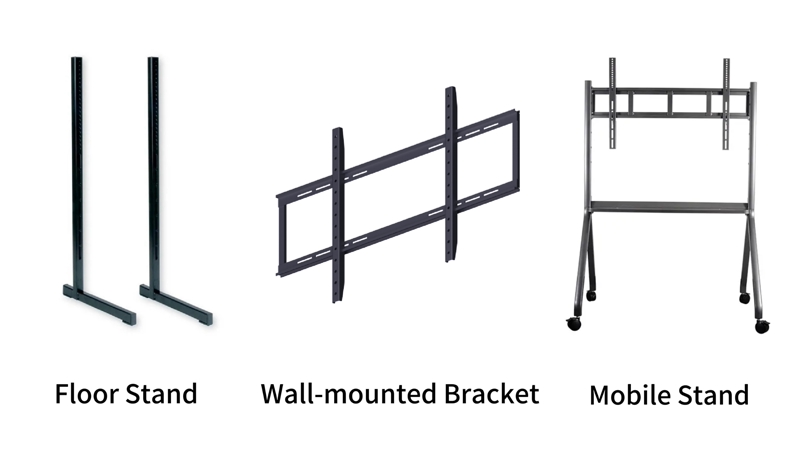
In the highly competitive US retail landscape, physical storefronts are transitioning from passive displays to intelligent, responsive brand touchpoints. The 2026 generation of the Windows System Advertising Device, engineered by Cuhub®, bridges the gap between digital precision and brick-and-mortar engagement. By integrating dedicated neural processing units (NPUs) and robust Windows-based OS environments, commercial operators can now deliver low-latency targeted advertising directly at the point of sale. This shift optimizes marketing spend, ensures rapid ROI, and delivers a modern customer experience built for enterprise scalability.

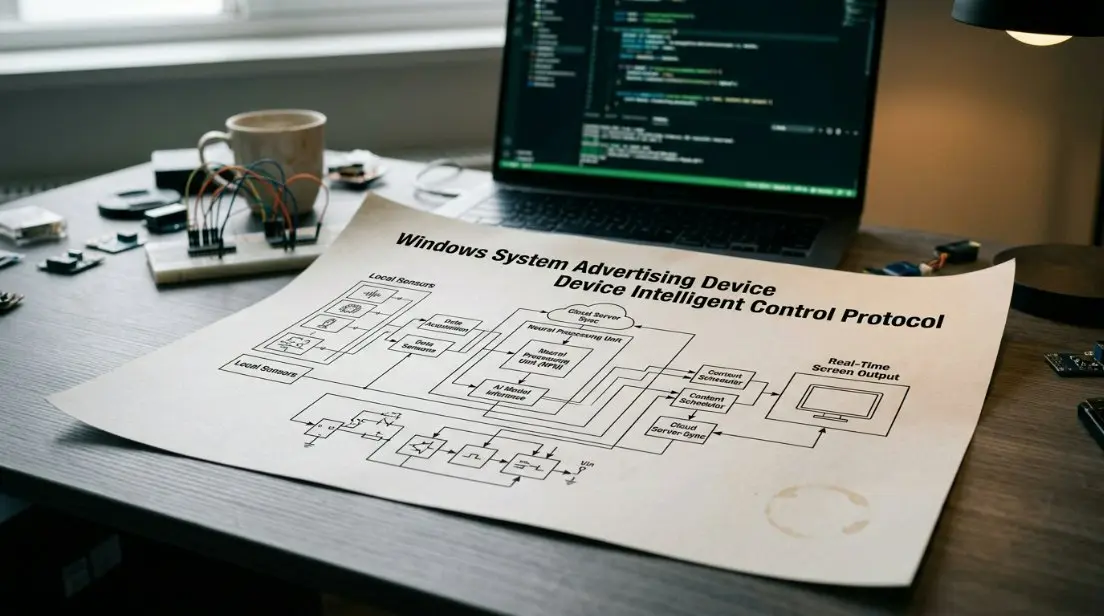
To support high-bandwidth sensor feeds and dynamic retail environments without relying heavily on cloud latency, our systems operate on the proprietary Windows System Advertising Device Intelligent Control Protocol. This customized localized system protocol architecture orchestrates telemetry from built-in optical sensors, thermal cameras, and proximity sensors directly within a secure, sandboxed Windows environment.
By processing neural workloads locally, the Windows System Advertising Device Intelligent Control Protocol bypasses cloud latency entirely. This means real-time analytics are processed instantly, triggering tailored promotional campaigns based on demographic metrics and gaze-tracking data within milliseconds. It guarantees unmatched security, shielding sensitive consumer metadata while delivering hyper-targeted dynamic promotions that drive up-sell opportunities.
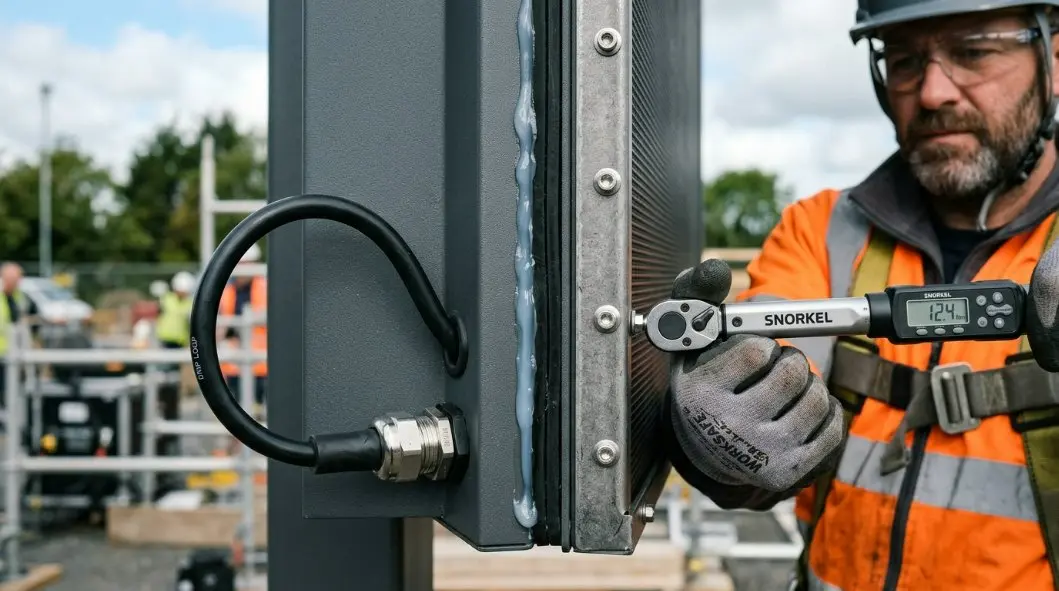
Deploying a secure digital signage network requires structural precision and optimized electrical isolation. Follow this professional installation procedure to mount, protect, and launch your advertising devices.
Outdoor commercial installations demand rigorous protection against humidity and thermal expansion. Use the following specialized procedure to ensure long-term hardware survival:
Selecting the optimal device architecture is critical for matching ambient store environments and power delivery constraints. Below is a structural engineering comparison of our standard commercial displays versus advanced RGBIC ambient edge-lit models.
| Feature / Specification | Standard Commercial Display | RGBIC Ambient Edge-Lit Display |
|---|---|---|
| Input Voltage Options | 12V DC Low-Voltage | 24V DC Optimized High-Efficiency |
| Edge Ambient Lighting | None / Static Monochromatic | Dynamic RGBIC (Individual Zone Control) |
| NPU AI Core Processing | Cloud-assisted (150ms latency) | Local Native Edge-AI (<15ms latency) |
| Maximum Signal Distance | 15 meters (passive) | 50 meters (integrated signal boosting) |
| Thermal Load Coefficient | 0.12 W/cm² | 0.07 W/cm² (with passive heatsink arrays) |
Proper electrical load distribution prevents system failures, voltage drop, and flickering displays across multi-unit retail networks.
When engineering high-density retail displays, calculating the appropriate electrical load margin prevents power supply overload. Use the standardized electrical engineering formula below to determine total power demand:
P_total = [ ( N_displays * P_nominal ) + ( L_cable * R_drop ) ] * Safety_Factor

Where:
- P_total     = Total Target Power Supply Output (Watts)
- N_displays  = Number of active networked displays per circuit run
- P_nominal   = Nominal active power consumption per display unit (e.g., 65W for standard 43")
- L_cable     = Continuous distance of electrical run in meters
- R_drop      = Estimated resistance power loss factor (0.15W/meter)
- Safety_Factor = 1.25 (to keep load under 80% maximum capacity)

Example Calculation:
For 3 displays at 65W each over a 15-meter cable run:
P_total = [ ( 3 * 65 ) + ( 15 * 0.15 ) ] * 1.25
P_total = [ 195 + 2.25 ] * 1.25 = 246.56 Watts required.
To pass rigorous corporate legal checks and municipal building codes, any hardware deployed in public spaces must meet stringent safety requirements. Every Windows System Advertising Device exported by Cuhub® is thoroughly tested and certified to comply with Western standards:
Yes. By utilizing standard Windows API frameworks and running local integration services, our advertising systems interface flawlessly with top-tier IoT automation environments. This allows commercial setups to dynamically adjust brightness, power profiles, and media playlists alongside regional smart building environments.
For custom retail installations requiring tailored physical footprints, our modular display frame channels are machine-cut with a tolerance of under 0.5 millimeters. This high precision guarantees that integrated displays sit flush inside luxury store counters and dynamic wall recessments.
Because these devices run on Windows 11 IoT Enterprise, commercial operators should configure localized hardware firewalls, enforce BitLocker full-disk encryption, and assign restricted User Account Control (UAC) privileges. Furthermore, regular security patches and restricted peripheral port access keep your physical network safe from unauthorized onsite access.
Don't fall behind the digital transformation curve. Upgrade your business with real-time targeted advertising, native Edge-AI processing, and rock-solid US regulatory compliance. Secure your modern interactive retail network with Cuhub's trusted engineering solutions.
As a top-tier professional manufacturer, we deliver direct factory-price solutions for dynamic scaling, engineering projects, and custom systems globally.
Visit Official Website →