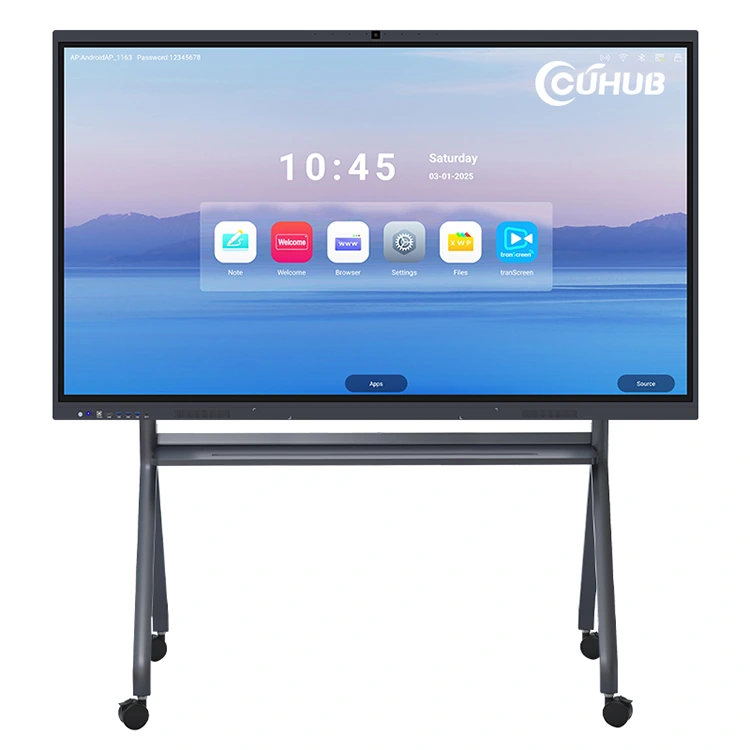
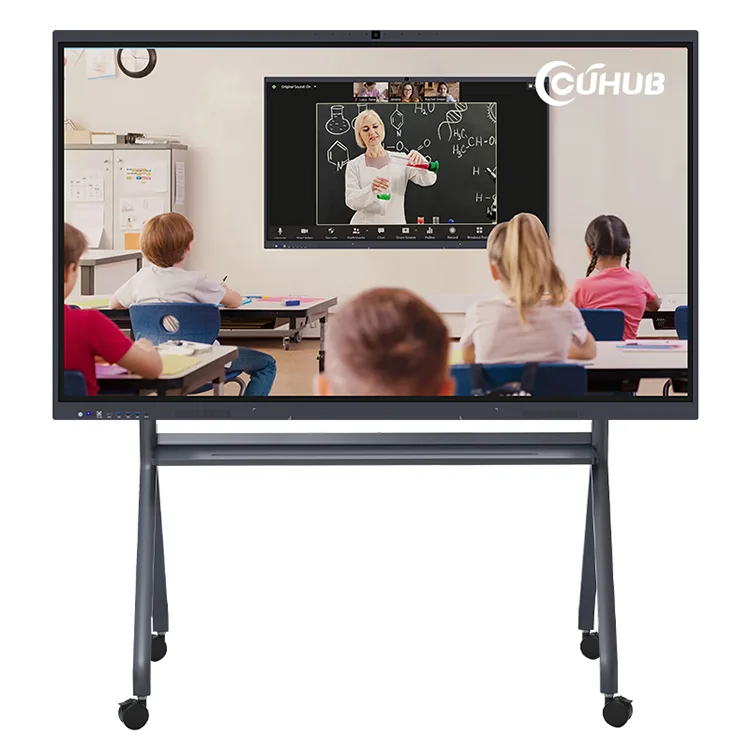
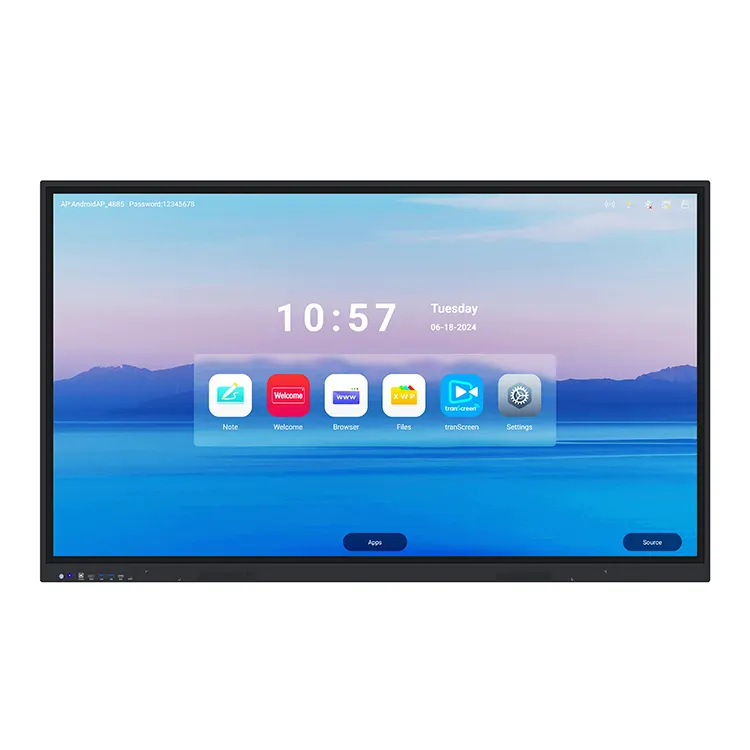
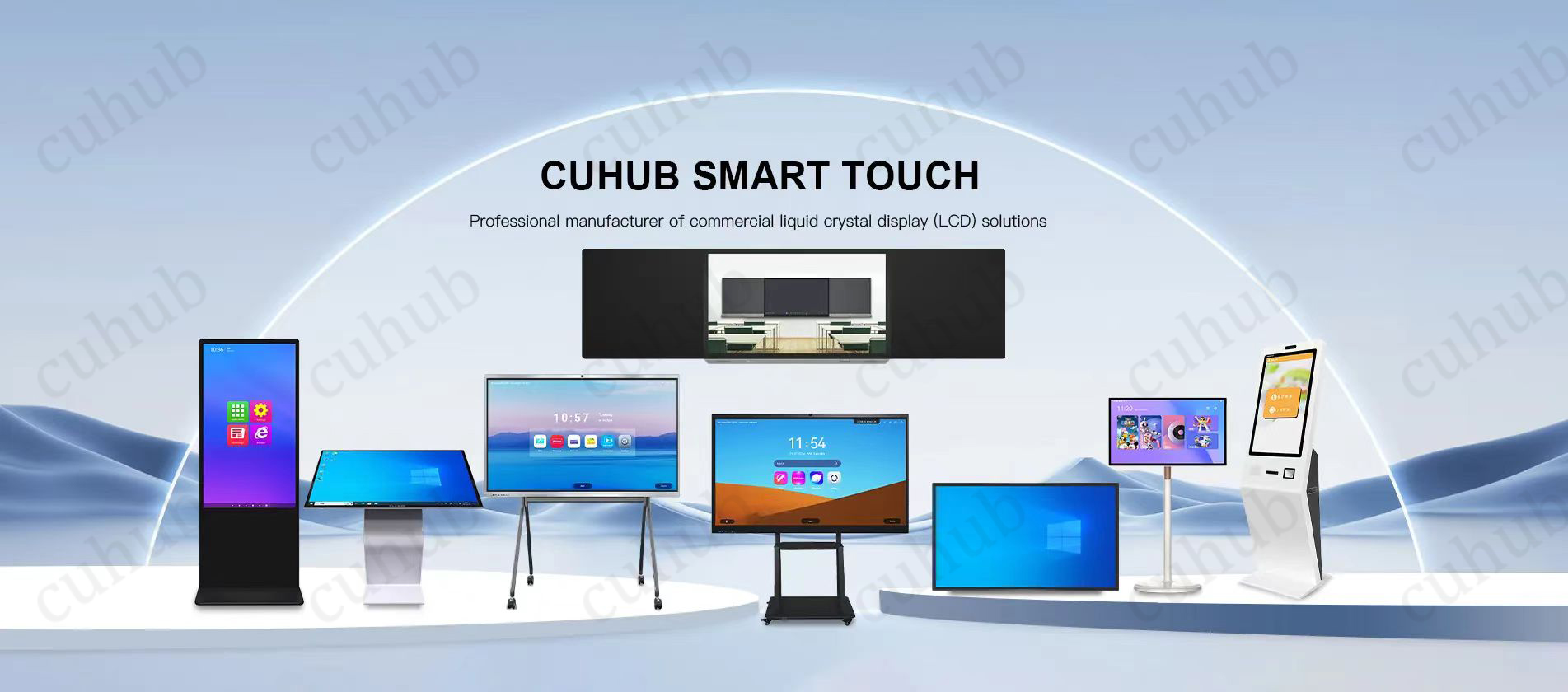
The shift to hybrid work has changed the way companies function, but it’s also created a real dilemma: how do you preserve the kind of spontaneous, productive collaboration that happens in person when your team is spread across different locations? At first, video conferencing tools seemed like the fix. But over time, many businesses realized that huddling around laptops left remote employees feeling disconnected and disengaged. Enter Interactive Flat Panel Displays (IFPDs)—technology that not only bridges the gap between remote and in-office teams but often enables a level of interaction that traditional conference rooms couldn’t even offer.
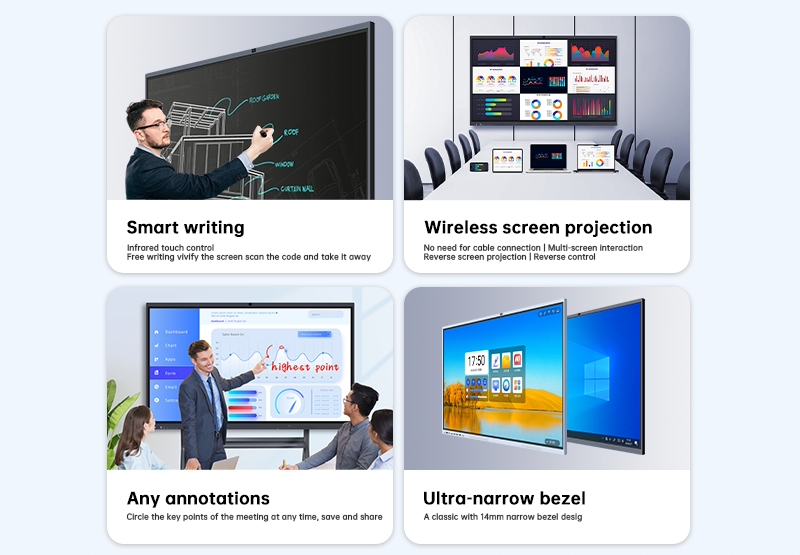
The real value of IFPDs in a hybrid setup shows up most clearly during creative sessions. When a team gathers around an interactive display in a conference room, remote participants stop being just faces in a grid—they can actually engage with the work. They're able to sketch, highlight, or move things around in real time, right alongside the people in the room.
Take a design review, for example. Instead of trying to talk someone through a concept or sharing a screenshot that's already outdated, the designer can pull up wireframes on the display. Meanwhile, colleagues working from home or another office can jump in to flag issues, drop digital sticky notes, or vote on different options. It cuts out the usual back-and-forth of "Which version are we even talking about?" and helps the group land on decisions together, without relying on long email threads.
That kind of clarity has a real effect on the bottom line. Companies using IFPDs say their problem-solving sessions are noticeably faster—teams often reach alignment 35 to 40% quicker than with standard video tools alone. And because people are iterating in real time, the final ideas tend to be stronger. There's less groupthink, more productive friction, and fewer rounds of review just to get everyone on the same page.
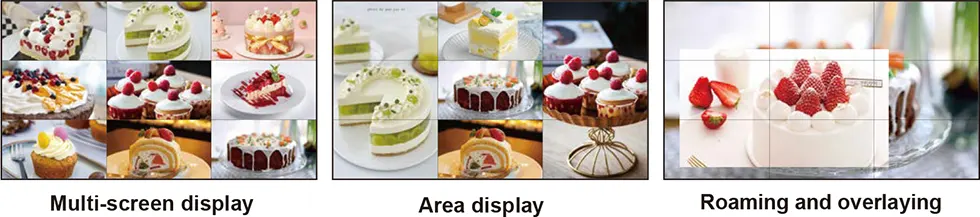
Screen sharing has always been a go-to for remote work, but IFPDs take it beyond the usual "one person presents, everyone else watches" setup. In the old model, if someone lost connection or wanted to revisit a slide, the whole flow got interrupted. With modern interactive displays, multiple people can share their screens at the same time. That changes how conversations happen.
That kind of setup really matters in client meetings or cross-departmental conversations. Instead of switching between presenters or digging through email for supporting files, the full picture stays up on the display. Remote employees—especially those working from home—can actively participate, not just observe. They can pull up documents, highlight key points, or even run a quick demo from their own laptop, and it all feeds into the same shared view. Meetings end up feeling less like a performance and more like everyone's actually working through something together.
Remote presentations were held back by technical limitations—grainy webcams, spotty audio, and the constant struggle to keep virtual attendees engaged. IFPDs have changed that by bundling professional-grade hardware into one seamless setup. Modern displays come with AI-powered cameras that automatically adjust to keep speakers in frame and follow the conversation naturally. No more fiddling with angles or worrying that someone’s drifted out of view. Built-in microphone arrays use advanced noise cancellation to pick up voices clearly, whether someone is standing at the whiteboard or sitting across the room. And with high-quality sound systems on the other end, remote participants don’t have to strain to catch what’s being said. It removes the technical friction that used to get in the way of actually connecting.
But technical excellence alone doesn't make great presentations; engagement does. Modern IFPDs come with integrated collaboration tools—digital whiteboards, polling features, and real-time annotation capabilities—that transform presentations from monologues into dialogues. A trainer conducting remote onboarding, for example, can use the display to present organizational charts while new employees actively annotate questions directly onto the diagram. Marketing teams can run creative reviews where remote stakeholders provide feedback directly on design mockups using the display's touchscreen capabilities. These interactive elements combat the isolation and attention drift that plague virtual presentations, ensuring that information isn't just delivered but truly absorbed and retained.
Looking beyond the day-to-day features, the real value of IFPDs lies in how they position companies for the future of work. These displays don't just try to copy what happens in an office—they actually open up new ways for distributed teams to work together. Because they integrate natively with platforms like Microsoft Teams, Zoom, and Google Workspace, the work doesn't end when the meeting does. A whiteboard session from an IFPD can be saved to the cloud and picked back up later. A project timeline built during a morning huddle becomes a living file that remote teammates can update throughout the week.
Companies that have made IFPDs a core part of their hybrid setup are seeing real shifts in how work gets done. Meetings tend to run shorter—about 22% faster on average. Remote employees report feeling more included and heard. And because there's less back-and-forth trying to get everyone on the same page, decisions happen more quickly. Perhaps most notably, culture improves. People working from home no longer feel like isolated contributors, they describe a stronger sense of connection to their teams and a greater stake in the outcomes.
As hybrid work continues to evolve, organizations that treat IFPDs as strategic infrastructure rather than just another screen will have an edge. They'll be able to tap into talent anywhere while still preserving the cohesion, creativity, and culture that once seemed to depend on being in the same room.
For more product details or to obtain a customized solution, please feel free to contact us.